



.png)
.png)
Portrait of a landscape
Curiosity comes from the Latin curiositas ("desire to know"). In the Middle Ages, the word initially referred to a desire for knowledge, sometimes considered excessive or useless...
Date of the event (1)
MARCH 2026
About
Curiosity comes from the Latin curiositas ("desire to know").
In the Middle Ages, the word initially referred to a desire for knowledge, sometimes considered excessive or useless (pejorative meaning). During the Renaissance, it also took on the meaning of a taste for rare or unusual things, and then more broadly, anything that attracts attention. (cntrl.fr)
Reflexive comes from the Latin reflexivus, derived from reflectere ("to send back, to turn back").
Initially used in physics (reflection of light), the term then took on a philosophical meaning: that which turns back on itself, capable of reflecting on its own mental activity.
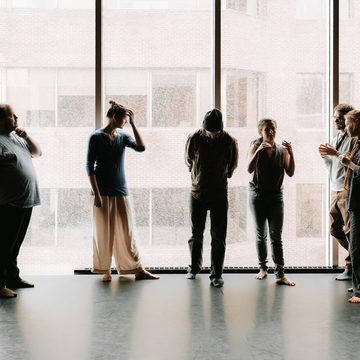
Through sound and movement, the artists will reveal the different languages and processes of their reflexive curiosity, which will emerge under the attentive and distracted gaze of the audience.
The group explores forms of free improvisation by working on permanence and transformation, the stable and the unpredictable.

The activity takes place in all weather conditions, unless safety is compromised
Good to know
You may like



Portrait of a landscape